27 Mar 2025
Must be Australia
Crocodile, Failed Human Predation, The Right Stuff

|
Archive for March, 2025
22 Mar 2025
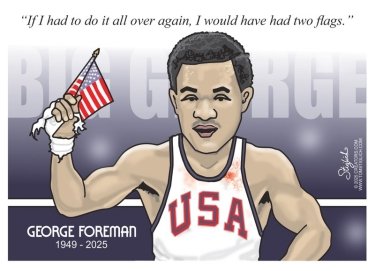
George Foreman 1949-20251968 Olympics, George Foreman, Obituaries, The Right Stuff
During their medal ceremony in the stadium in Mexico City during the Summer 1968 Olympic Games, two African-American athletes, Tommie Smith, who won the Gold Medal in the 200-meter running event, and John Carlos, who won the Bronze, each raised a fist in the Black Power Salute during the playing of the US national anthem. George Foreman, after winning the Gold Medal in Heavyweight Boxing,took a small American flag and waved it to the four corners of the auditorium.
————————————-
19 Mar 2025
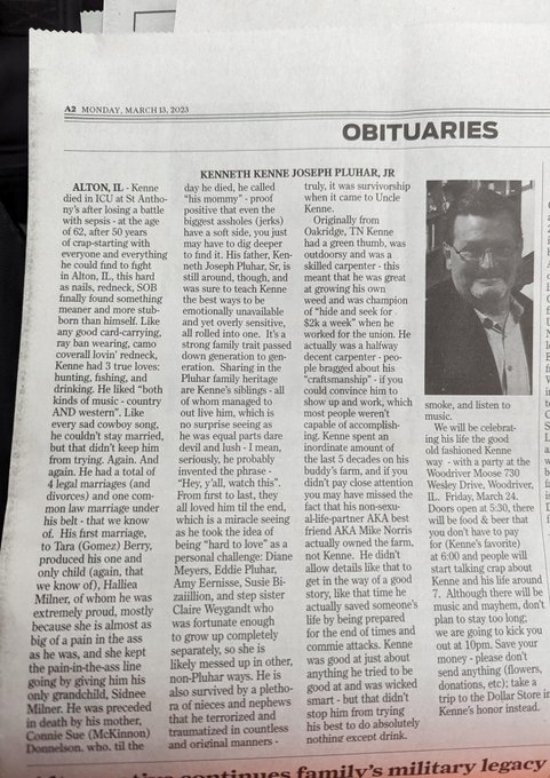
“He Took the Idea of ‘Being Hard to Love’ as a Personal Challenge”Alton Illinois, Kenneth Kenne Joseph Pluhar Jr., Obituaries
19 Mar 2025
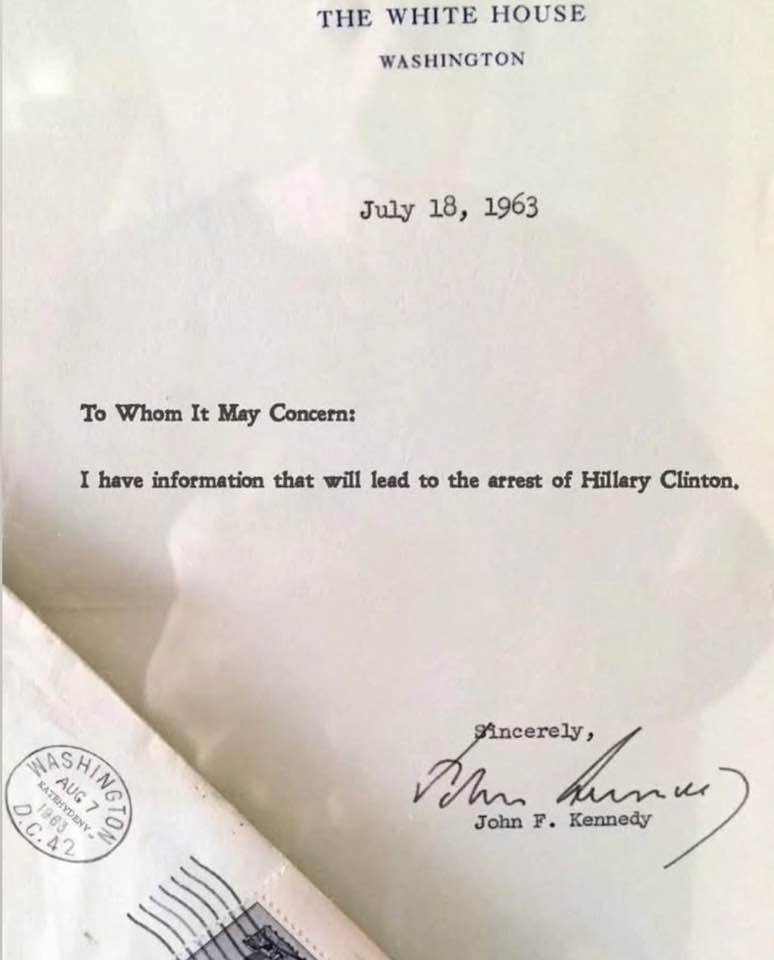
80,000 Kennedy Assassination Documents ReleasedBlack Humor, Clinton Enemies Sudden Deaths, Hillary Clinton, JFK Assassination
18 Mar 2025
Really Vital Question of the DayHarry Potter, Kermit the Frog, Strategy
18 Mar 2025
Largest Celtic HoardArchaeology, Buried Treasure, Catillon Hoard, Celts, Jersey, Metal Detecting17 Mar 2025
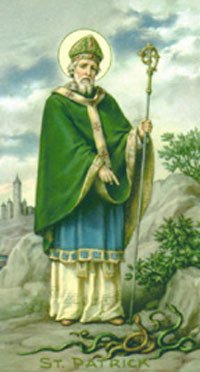
St. Patrick Still on the JobBabylon Bee, Rosie O'Donnell, St. Patrick
17 Mar 2025
St. Patrick’s DayHagiography, Ireland, St. Patrick
From Robert Chambers, The Book of Days, 1869: LEGENDARY HISTORY OF ST. PATRICK Almost as many countries arrogate the honour of having been the natal soil of St. Patrick, as made a similar claim with respect to Homer. Scotland, England, France, and Wales, each furnish their respective pretensions: but, whatever doubts may obscure his birthplace, all agree in stating that, as his name implies, he was of a patrician family. He was born about the year 372, and when only sixteen years of age, was carried off by pirates, who sold him into slavery in Ireland; where his master employed him as a swineherd on the well-known mountain of Sleamish, in the county of Antrim. Here he passed seven years, during which time he acquired a knowledge of the Irish language, and made himself acquainted with the manners, habits, and customs of the people. Escaping from captivity, and, after many adventures, reaching the Continent, he was successively ordained deacon, priest, and bishop: and then once more, with the authority of Pope Celestine, he returned to Ireland to preach the Gospel to its then heathen inhabitants. The principal enemies that St. Patrick found to the introduction of Christianity into Ireland, were the Druidical priests of the more ancient faith, who, as might naturally be supposed, were exceedingly adverse to any innovation. These Druids, being great magicians, would have been formidable antagonists to any one of less miraculous and saintly powers than Patrick. Their obstinate antagonism was so great, that, in spite of his benevolent disposition, he was compelled to curse their fertile lands, so that they became dreary bogs: to curse their rivers, so that they produced no fish: to curse their very kettles, so that with no amount of fire and patience could they ever be made to boil; and, as a last resort, to curse the Druids themselves, so that the earth opened and swallowed them up. … Read the rest of this entry » 16 Mar 2025
Trump ScoresAutopen, Donald Trump, Joe Biden
Welcome to
NEVER YET MELTED
Another Right-Wing Web Aggregator and Purveyor of Unpopular Opinions
 David Zincavage contact: jdz@usa.net blog advertising is good for General Bullmoose and good for the USA. 


Feeds
|